We are part of the Amazon affiliate program. Affiliate links may be used in this post.
Artificial Christmas trees can last for years, which is great for your wallet, but eventually you may decide you’re ready for a new style. Maybe the branches are thinning, the lights no longer work, or the tree is simply too large for your current home. Whatever the reason, getting rid of an artificial tree is not always as easy as placing it at the curb.
Because faux Christmas trees are made from a combination of plastic, metal, wiring, and sometimes built-in lights, most cannot be recycled through a standard curbside recycling program. Fortunately, a tree that is still in usable condition may have plenty of life left. Don’t throw it in a landfill. Instead, try one of these options.
Donate It to a Local Organization
If your artificial Christmas tree is clean, complete, and still looks presentable, donating it is one of the best ways to keep it out of the landfill.
Thrift stores may accept artificial trees, especially in the months leading up to the holiday season. However, seasonal donation policies vary, and some stores have limited storage space. Call before dropping it off to make sure the organization is currently accepting holiday decorations. You can also check this list of places that will pick up your donations if you don’t have a vehicle to haul it.
You can also check with:
- Churches
- Schools and preschools
- Community centers
- Senior living facilities
- Local theater groups
- Women’s shelters
- Transitional housing programs
- Charity holiday programs
Smaller organizations may be especially interested in trees they can use for holiday events, stage productions, classrooms, or common areas.
Before donating the tree, make sure all of its pieces are included. Place loose branches, the stand, cords, and instructions in a labeled bag or box so the next owner can easily set it up.
Offer It Through a Buy Nothing Group
A local Buy Nothing group is often one of the quickest ways to find a new home for an unwanted artificial tree. Post a clear photo, list the tree’s height, and mention whether it is pre-lit, unlit, complete, or missing any parts.
Be honest about its condition. If a section of lights does not work or a few branches are damaged, someone may still want it for a porch, basement, classroom, craft project, or outdoor display..
Sell It Online

A high-quality artificial tree may be worth selling, particularly if it is newer, realistic-looking, pre-lit, or from a well-known brand.
Clean the tree, assemble it, and photograph it in good lighting. Buyers are more likely to respond when they can see the tree fully set up rather than stuffed inside a storage box.
Facebook Marketplace is usually convenient for local pickup, while neighborhood resale groups may help you reach people nearby. Price the tree reasonably based on its age and condition. Even an expensive artificial tree loses value once it has been used for several seasons.
Give It to a Friend or Family Member
Before posting the tree publicly, ask friends or relatives whether they could use it. A young adult decorating a first apartment, a family creating a second holiday space, or someone who recently moved may appreciate a free tree.
Artificial trees can also be useful in garages, finished basements, covered porches, offices, playrooms, and children’s bedrooms. Someone who already owns a main Christmas tree may still want an extra one for another part of the house.
Repurpose the Branches for Holiday Decorations
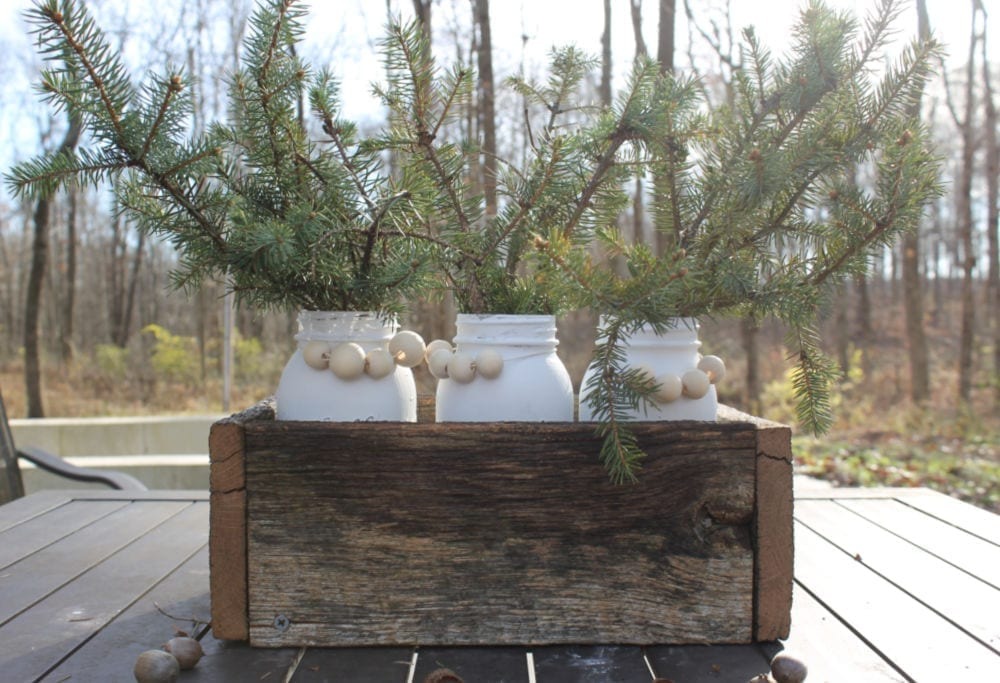
An artificial tree that is too worn or damaged to donate can still provide plenty of reusable greenery.
Remove intact branches and use them to make:
- Christmas wreaths
- Fireplace mantel garlands
- Outdoor swags
- Window box arrangements
- Table centerpieces
- Staircase decorations
- Cemetery arrangements
- Porch planters
- Gift toppers
Individual branches can be secured together with floral wire, zip ties, or twist ties. Add pinecones, ribbon, ornaments, bells, or battery-operated lights to turn the greenery into custom decorations. Consider using our mason jar painting guide to decorate mason jars, then fill them with the tree’s branches.
Artificial branches are especially useful for filling empty spots in garlands and wreaths you already own. Store the best pieces in a labeled tote with your other Christmas decorations.
Turn It Into a Smaller Tree
If the bottom of the tree is damaged but the upper sections still look good, you may be able to turn it into a tabletop or porch tree.
Place the top section in a sturdy planter, bucket, or decorative container. Use floral foam, gravel, or another stable filler to hold it upright. Cover the base with fabric, moss, ribbon, or artificial snow.
A shortened tree can work well in a child’s bedroom, entryway, office, covered porch, or small apartment. Just make sure the base is secure, particularly if you plan to decorate it with ornaments.
Use It for Outdoor or Craft Projects
A worn artificial tree may still be useful for projects where perfection is not important.
Use it as part of an outdoor Christmas display, photo backdrop, school play, parade float, haunted forest, winter-themed party, or craft booth. Teachers, photographers, theater groups, and community organizations may be willing to take a damaged tree for this reason.
If you have space to store it, you could also keep the tree specifically for outdoor decorating rather than exposing a newer tree to moisture, dirt, and temperature changes.
Keep in mind that an indoor artificial tree is not automatically rated for outdoor use. Place it in a protected area, avoid wet conditions, and do not use its built-in lights outdoors unless the manufacturer states that they are approved for exterior use.
Check for Local Recycling Options
Artificial Christmas trees generally cannot go into a regular household recycling bin. Their plastic branches, steel frame, wiring, and lights are difficult to separate and process through standard recycling systems.
However, recycling options vary by location. Some scrap metal facilities may accept the metal trunk or stand after all plastic branches, wiring, and other materials have been removed. Electronic waste programs may accept strings of lights or electrical components, although they typically will not take the entire tree.
Contact your local solid waste department, recycling center, or scrap metal facility before taking the tree apart. Ask exactly which components they accept and whether the materials need to be separated first.
Do not place an artificial tree in a real Christmas tree recycling or mulching program. Those programs are designed for natural trees only.