We are part of the Amazon affiliate program. Affiliate links may be used in this post.
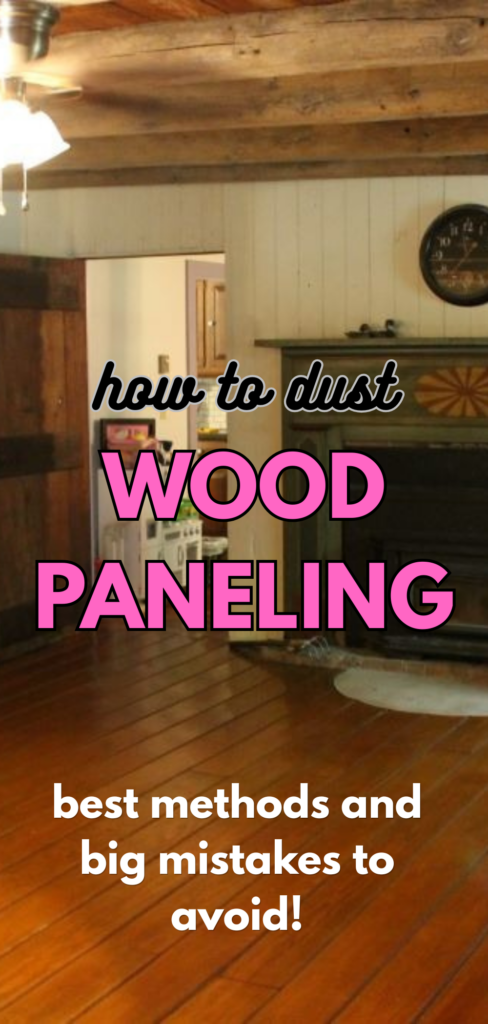
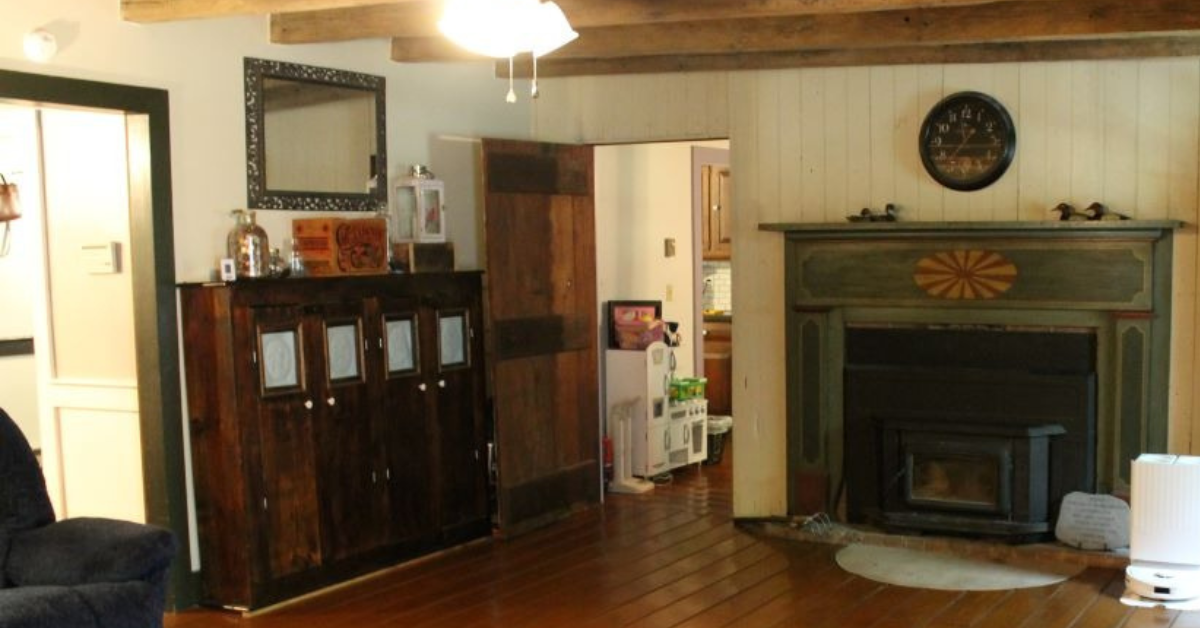
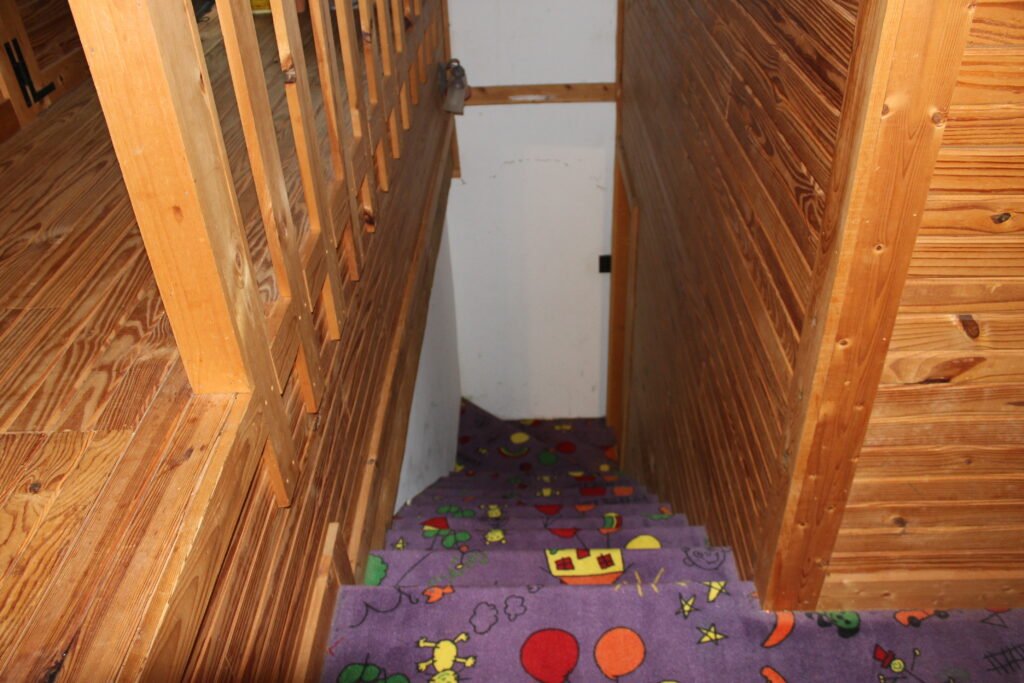
When I moved into my house, I was blessed with a lot of wood paneling. There’s painted wood paneling in the living room, walnut wood paneling in the dining room, and horizontal pine wood paneling in the attic. I’m not going to lie, it adds a lot of warmth and character to each space. However, all those narrow grooves have a way of collecting dust, which can be a nightmare to clean if you don’t know the best methods. For example, running a cloth across the wall may clean the flat surface, but it often leaves a visible line of debris tucked inside each seam.
Fortunately, you don’t need to scrub every groove by hand with a cotton swab. A vacuum, soft brush, and a few basic household supplies can make the job much faster. The key is loosening the dust before wiping the paneling and avoiding too much moisture, especially when working with unfinished wood, veneer, or older panels.
Start With a Vacuum and Brush Attachment
The easiest way to remove loose dust from wood paneling is with a vacuum cleaner and a soft-bristle brush attachment.
Begin at the top of the wall and slowly work downward. Run the brush over the flat sections of paneling, then guide the bristles along each groove. The suction will collect the dust as the brush loosens it rather than knocking it onto the floor.
Keep the attachment moving gently across the wall. Pressing too hard can leave scratches, particularly on glossy finishes or thin wood veneer.
Use a Soft Paintbrush for Narrow Grooves
A clean, soft paintbrush works surprisingly well for dust trapped in narrow paneling grooves. Choose a small angled paintbrush or craft brush that fits comfortably inside the seams.
Brush downward through each groove to loosen compacted dust. Hold the vacuum hose nearby as you work, or vacuum the wall again afterward to collect anything that falls.
A paintbrush is especially helpful around trim, corners, outlets, and decorative details where a standard vacuum attachment may be too bulky.
Wipe the Paneling With a Damp (Not Wet) Microfiber Cloth
Once the loose dust is gone, wipe the paneling with a lightly dampened microfiber cloth. For routine cleaning, plain water may be enough.
If the wall feels greasy or grimy, add a small amount of mild dish soap to a bucket of warm water. Dip the cloth into the solution and wring it out thoroughly. It should be damp, not dripping.
Work in small sections from the top of the wall downward. Immediately follow with a clean, dry cloth so water does not sit inside the grooves or along the seams.
Clean Greasy Kitchen Paneling with Dish Soap
Paneling in kitchens, dining rooms, or rooms with a fireplace may collect a mixture of dust and greasy residue. Dry dusting alone may not remove this buildup.
Mix a few drops of grease-cutting dish soap with warm water. Apply the solution using a well-wrung microfiber cloth, paying extra attention to the grooves.
A soft toothbrush can help loosen grime from stubborn areas, but use light pressure. Aggressive scrubbing may dull the finish or leave marks.
Wipe away the soap with a second damp cloth, then dry the wall immediately. Avoid soaking the grooves, even when the buildup is heavy. Several light passes are safer than one overly wet cleaning.
Be Careful With Unfinished Wood Paneling
Unfinished or rough wood requires a gentler approach because it absorbs moisture easily and may snag cleaning cloths.
Start with a vacuum and soft brush. If dust remains, use a dry paintbrush to loosen it. Avoid wet cleaning unless the paneling manufacturer or a wood-care professional recommends it.
For rough-sawn paneling, a soft-bristle upholstery brush may work better than microfiber, which can catch on splinters and leave lint behind.
Important: Avoid Furniture Polish
Furniture polish may seem like an obvious choice for wood paneling, but it is not always necessary. Many polishes leave behind a residue that attracts dust and can make the walls feel sticky. So stick with plain water or a mix of dish soap and water for dirty or greasy paneling.