We are part of the Amazon affiliate program. Affiliate links may be used in this post.
If you want to break the cycle of scrolling, picking up an analog hobby is the way to go. There is something satisfying about spending an afternoon making something with your hands, especially when the finished project has a practical place in your home. Long before scrolling became the default way to fill spare time, people sewed, carved, stitched, baked, and wove the things they needed. Let’s bring back the tradition.
1. Embroidery
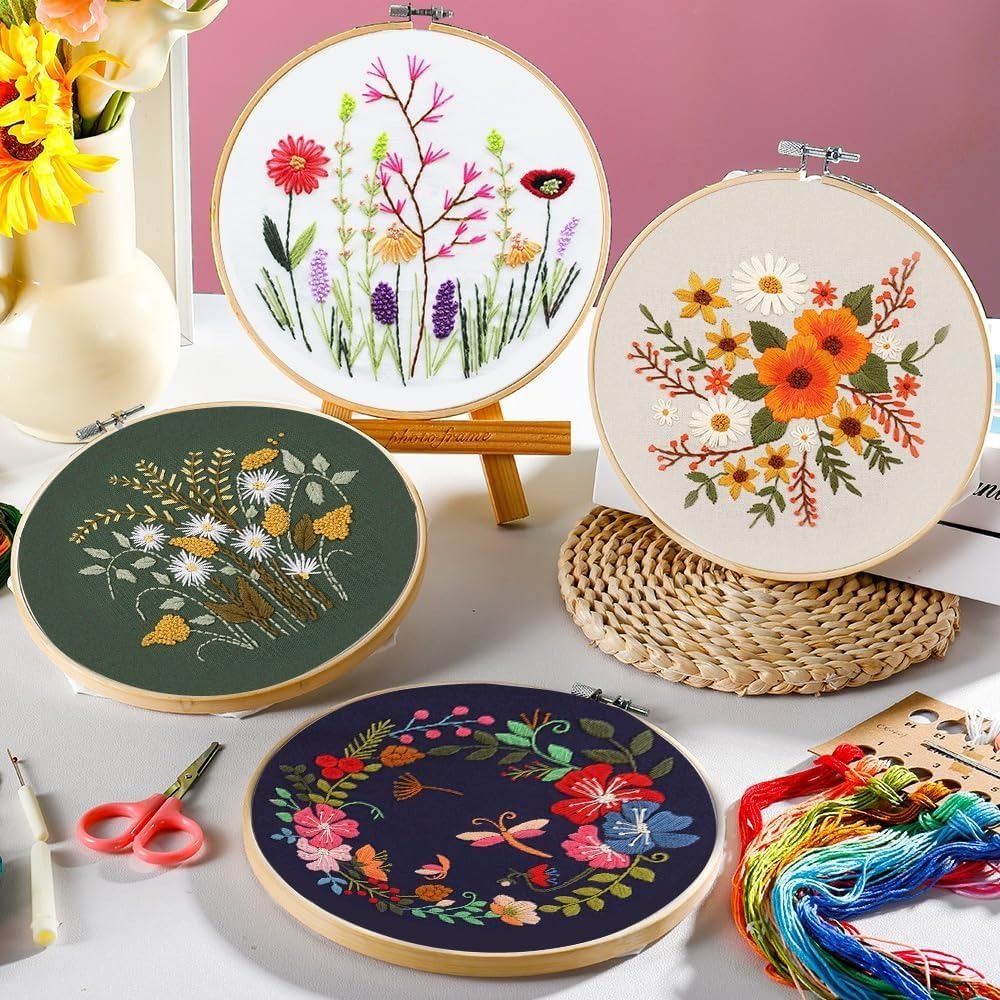
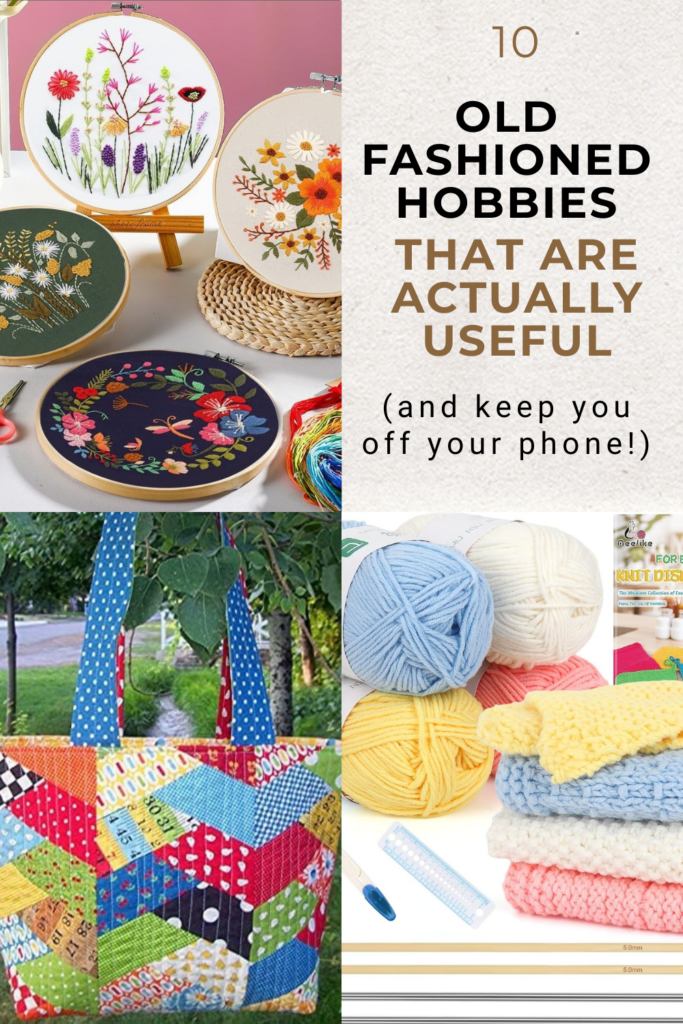
Embroidery turns plain fabric into something worth displaying. With a needle, thread, and a few basic stitches, you can decorate tea towels, pillowcases, table linens, fabric napkins, and framed wall art.
Beginner embroidery kits are one of the easiest ways to learn because the pattern is often printed directly on the fabric. Most kits also include a hoop, needle, thread, and stitching instructions.
Start with a small floral or botanical pattern before attempting a more detailed design. Once you know a handful of stitches, you can customize store-bought linens or add names and simple motifs to household textiles.
2. Basket Weaving
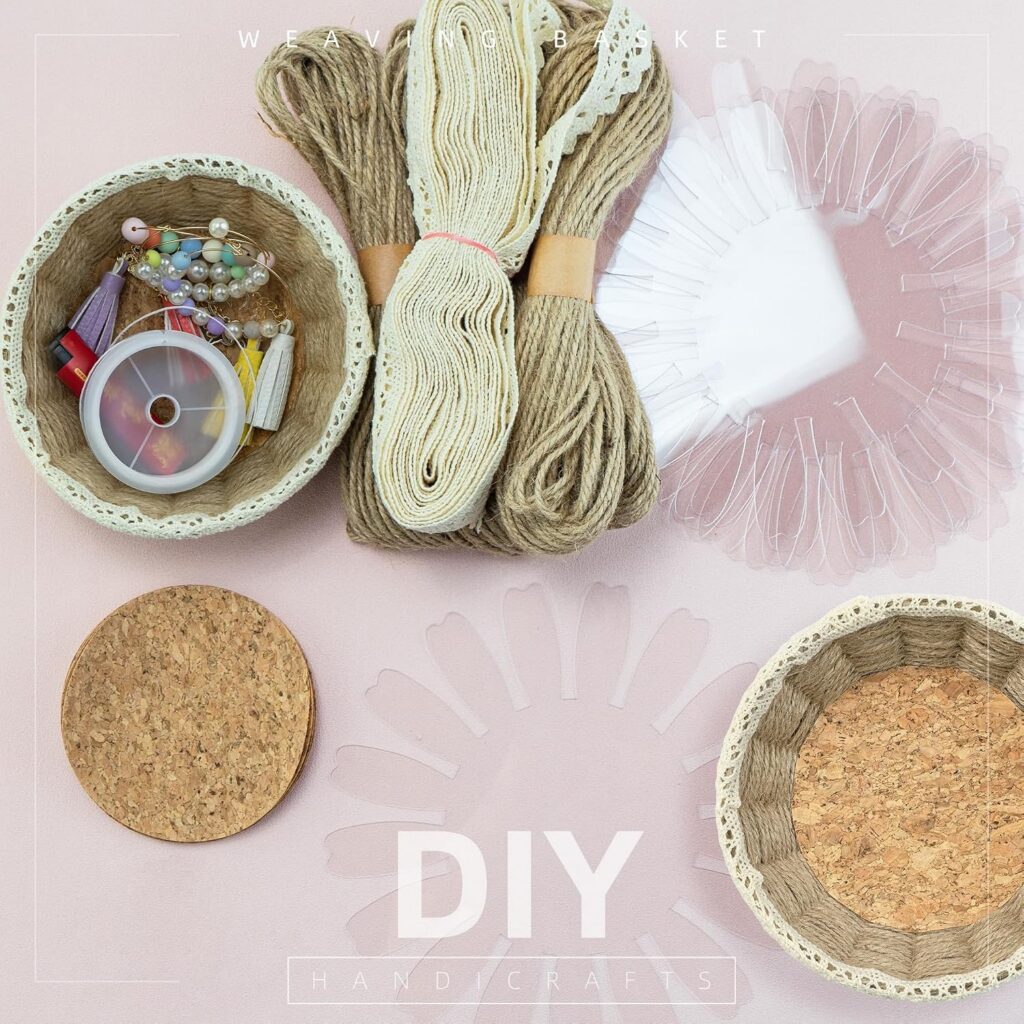
Handwoven baskets are as useful today as they were generations ago. They can hold blankets, collect produce from the garden, organize toiletries, or corral clutter on an entryway table.
Basket weaving may look complicated, but beginner kits usually include pre-cut materials and instructions for completing a simple project. Many start with reed, raffia, or paper rope, which is easier to manipulate than thicker willow branches.
Your first basket may not look perfectly uniform, but that is part of its charm. Once you understand the basic over-and-under pattern, you can move on to larger baskets, handled designs, and decorative wall pieces.
3. Candle Making
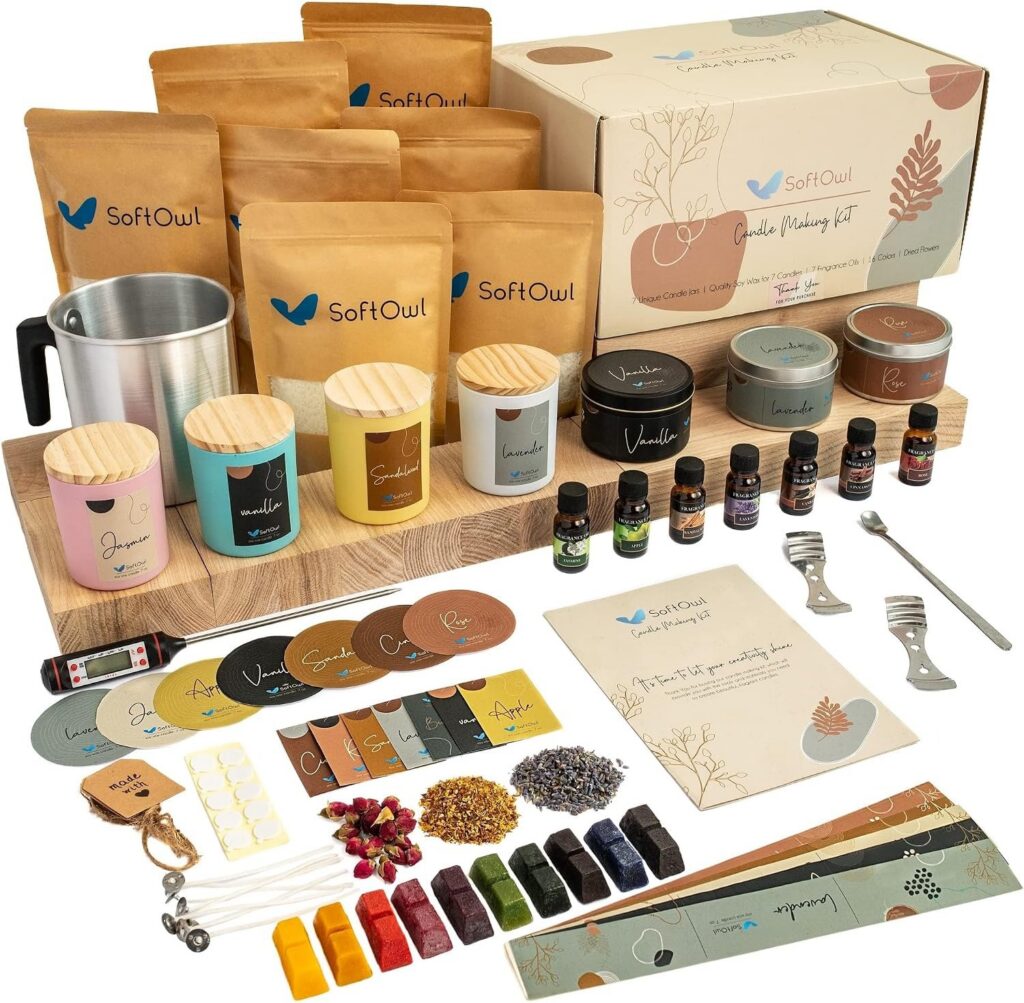
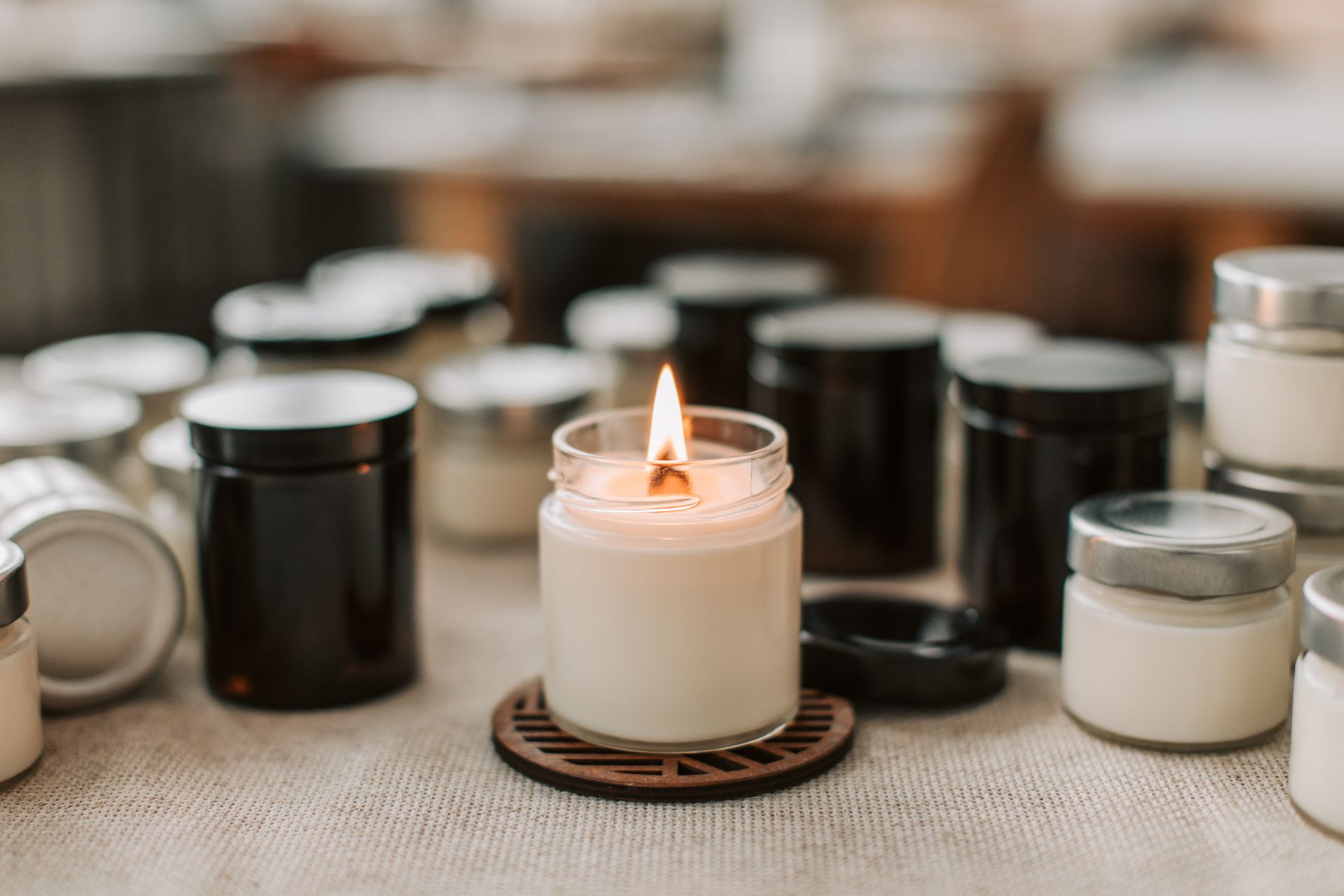
Beginner candle-making kits typically include wax, wicks, wick holders, fragrance oil, and melting containers. Soy wax is a common choice for beginners because it is easy to measure and clean up, although every wax type has its own temperature and fragrance requirements.
For a country-inspired look, pour candles into heat-safe crocks, amber glass jars, or simple metal tins. Follow the kit’s directions carefully, and only use vessels and fragrance oils designed for candle making.
4. Sewing
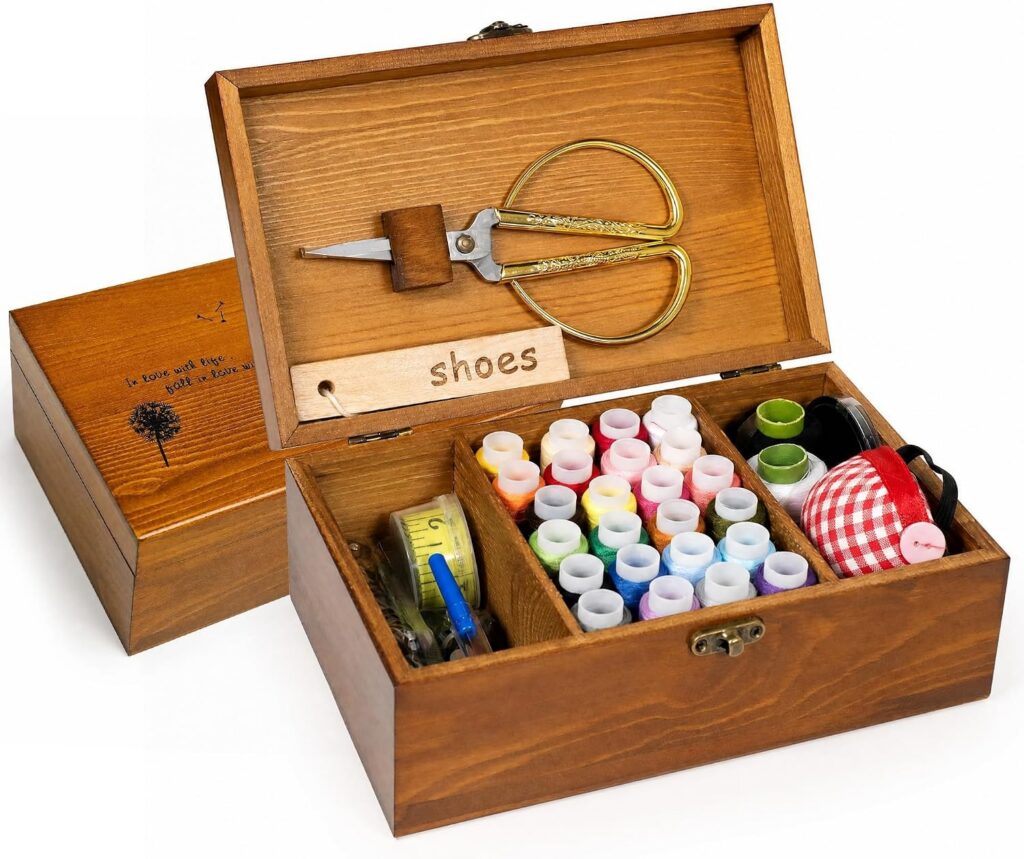
Sewing is one of the most practical old-fashioned skills you can learn. Even basic sewing knowledge allows you to repair torn clothing, hem curtains, replace buttons, and make simple household items.
You do not need to start with something complicated. A basic pillow cover, cloth napkin, table runner, or drawstring bag is much more manageable for a first project.
Hand sewing is enough for small repairs and decorative projects. A beginner-friendly sewing machine will make larger home projects faster once you are ready to invest.
5. Quilting
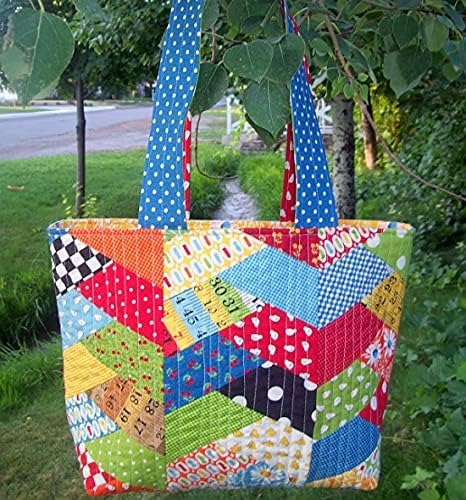
Quilting combines creativity with practicality. A finished quilt can become an everyday blanket, a family keepsake, or a thoughtful gift that lasts for decades.
Traditional quilts can take a long time to complete, but beginners do not need to start with a full-size bedspread. Try a small lap quilt, a table runner, a set of placemats, or a quilted pillow cover.
Pre-cut fabric squares and quilting kits simplify the process by removing much of the measuring and cutting. You can sew pieces by hand, although a sewing machine makes the work faster and more consistent.
6. Crochet
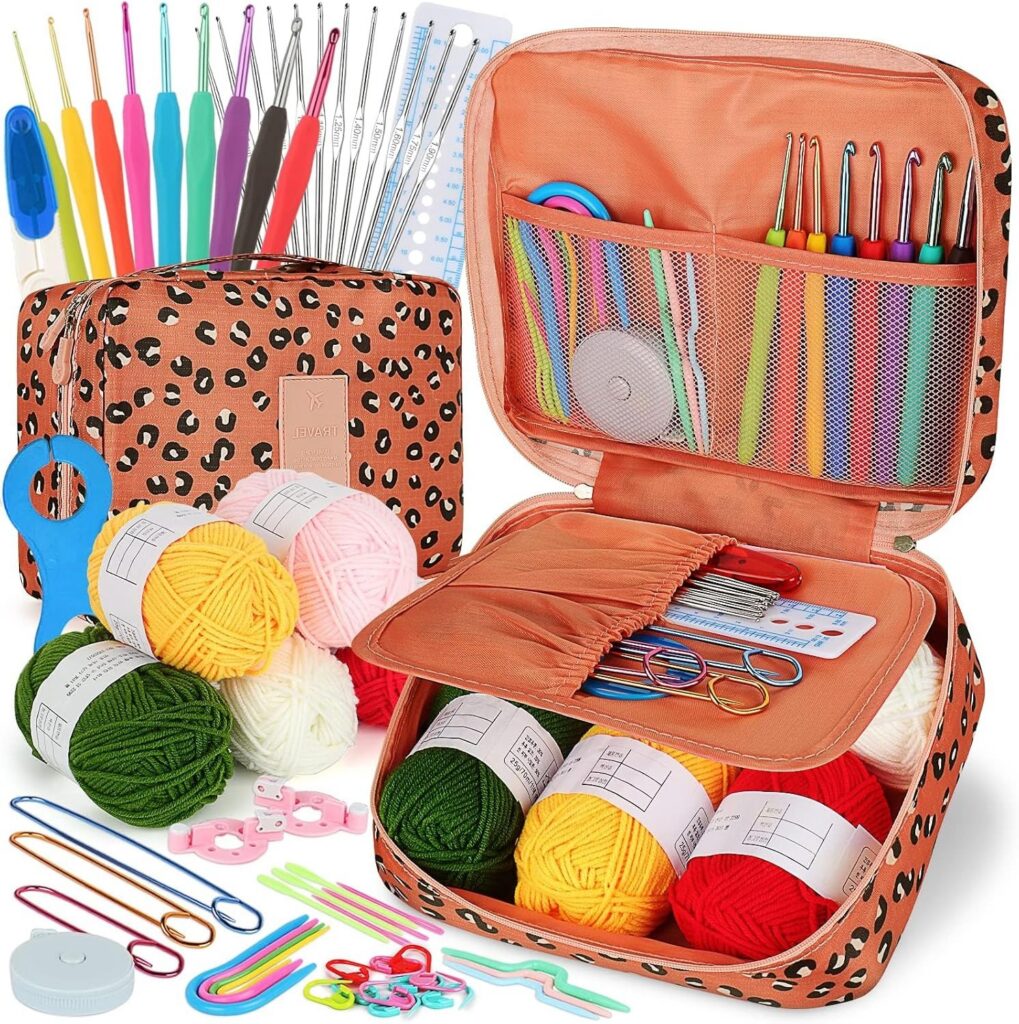
Crochet requires only a hook and yarn, making it one of the easiest portable hobbies to pick up. Once you learn a few basic stitches, you can make everything from dishcloths to full-size blankets.
A cotton dishcloth is a particularly good first project because it uses simple stitches and does not need to fit a specific size. Small baskets, coasters, and pot holders are also manageable for beginners.
Starter kits often include several hook sizes, stitch markers, yarn needles, and basic instructions. You can also purchase project kits that contain the exact yarn needed to complete one item.
7. Knitting
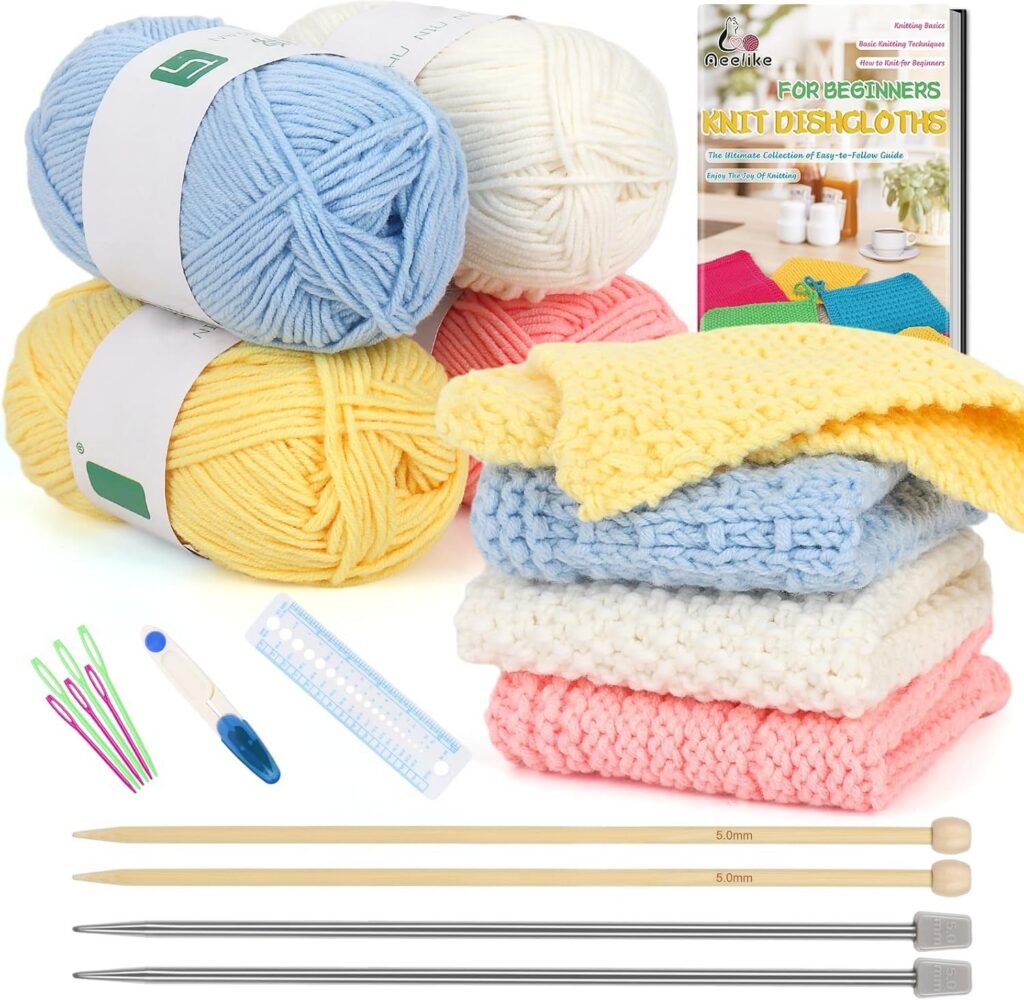
Knitting takes a little practice, but the repetitive motion can be relaxing once you find your rhythm. It is best known for scarves and sweaters, although it can also produce plenty of useful home items.
Simple projects such as dishcloths, table mats, cushion covers, and chunky blankets allow you to practice basic stitches without worrying about complicated shaping.
A beginner kit with large needles and thick yarn can make the learning process less frustrating. Larger stitches are easier to see, and a small mistake is usually easier to find and correct.
8. Soap Making
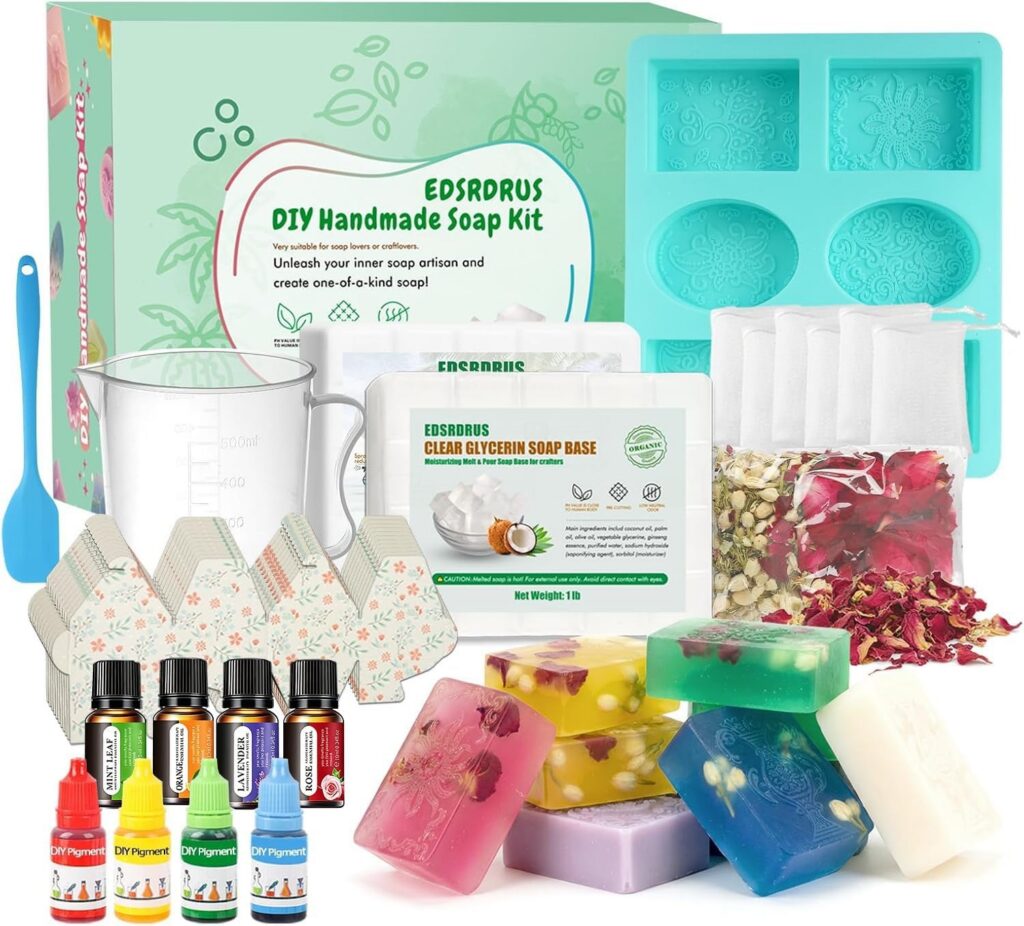
Homemade soap can be used in the kitchen or bathroom, and a batch can also be divided into small gifts.
Cold-process soap making involves working with lye and requires careful safety precautions. Beginners who want a simpler introduction can start with a melt-and-pour soap base. You melt the base, add approved color or fragrance, pour it into a mold, and allow it to harden.
9. Rug Hooking
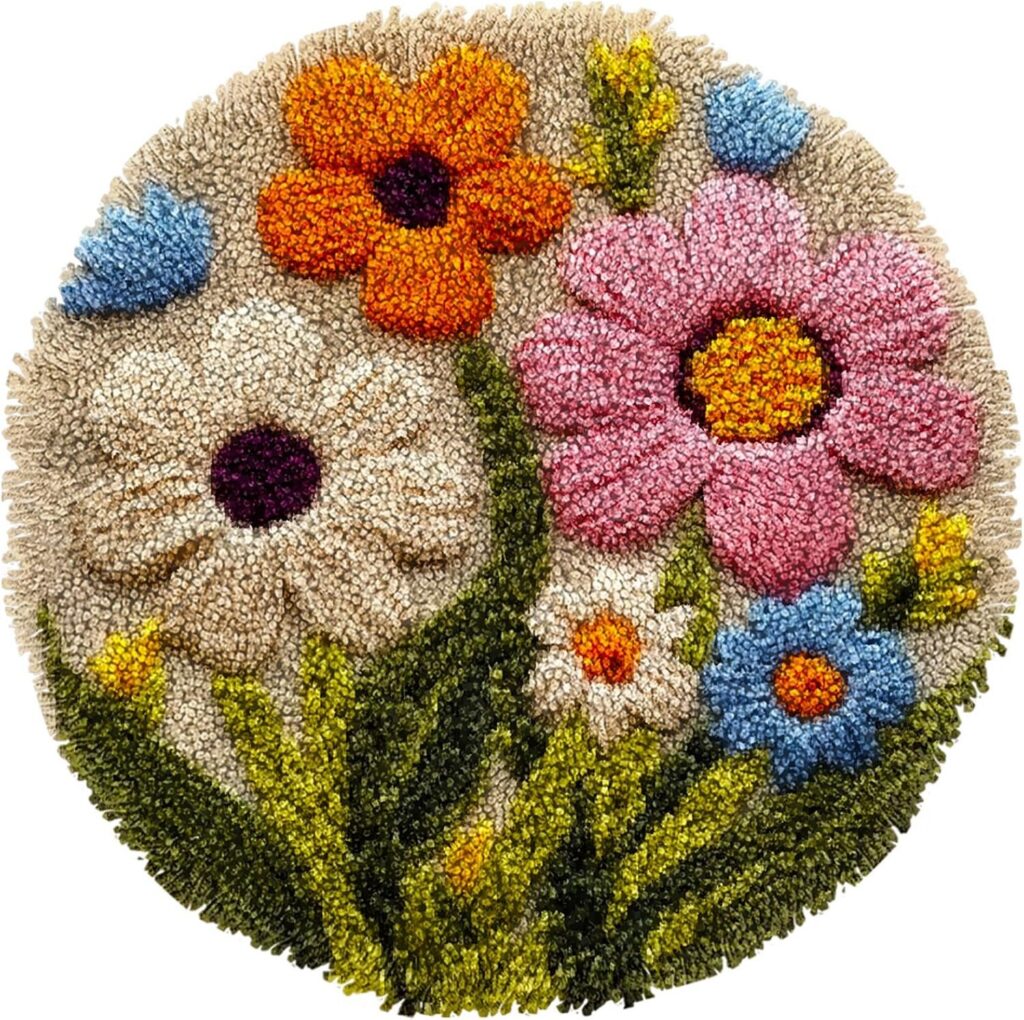
Rug hooking is a traditional craft that uses strips of wool or fabric to create loops through a sturdy backing. Finished pieces can become small rugs, chair pads, wall hangings, or decorative pillow fronts.
Starter kits generally include a printed pattern, backing fabric, hook, and pre-cut wool strips. Small designs are easier to complete and give you a chance to learn the technique before committing to a large floor rug.
Traditional floral, geometric, and farm-inspired patterns suit rustic and country-style homes particularly well.
10. Flower Pressing
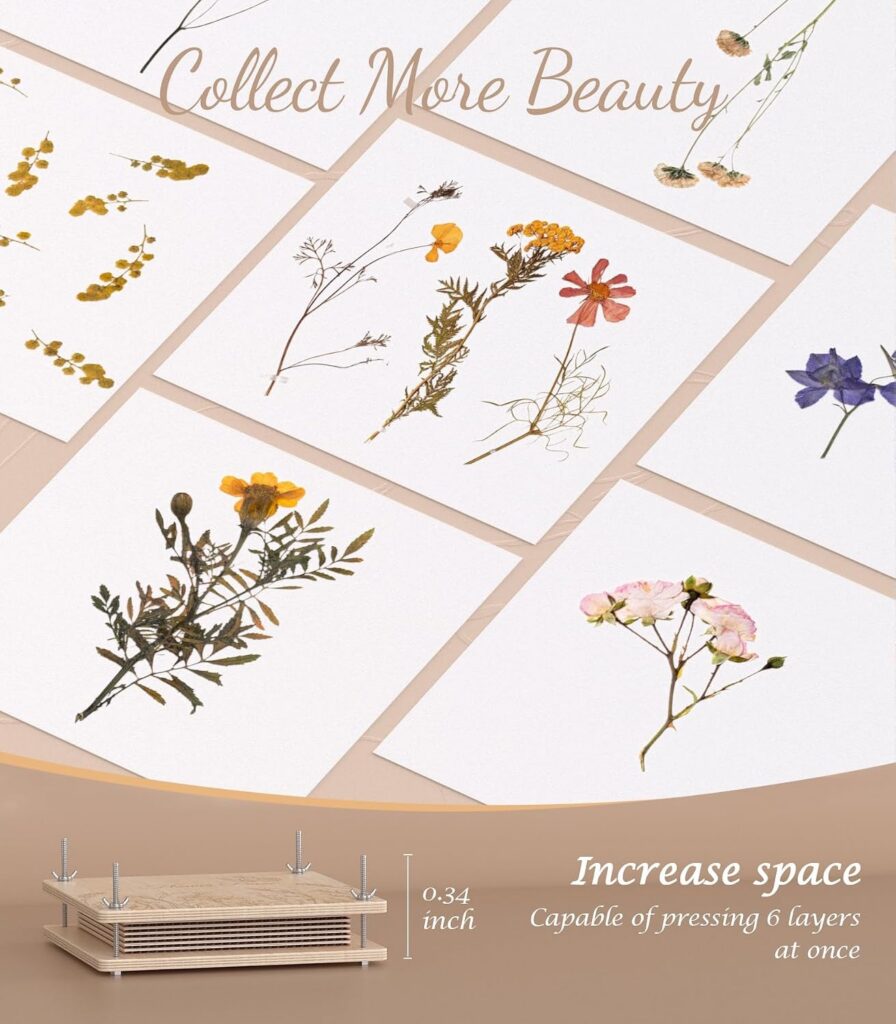
Flower pressing preserves pieces of your garden long after the growing season ends. Pressed flowers can be framed, added to handmade cards, used in bookmarks, or arranged inside clear ornaments.
A traditional flower press uses layers of absorbent paper and pressure to flatten blooms gradually. While heavy books can work, a purpose-made press keeps flowers organized and helps distribute pressure evenly.
Choose flowers that are relatively flat and dry. Pansies, violas, ferns, herbs, and delicate wildflowers tend to press more easily than thick, moisture-heavy blooms.