We are part of the Amazon affiliate program. Affiliate links may be used in this post.
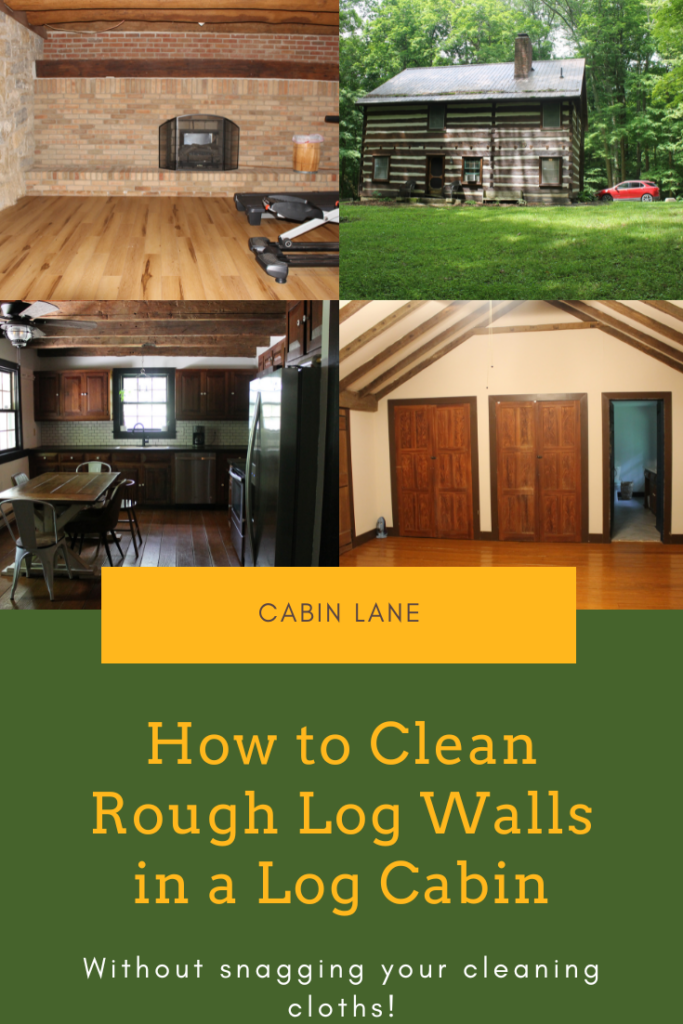
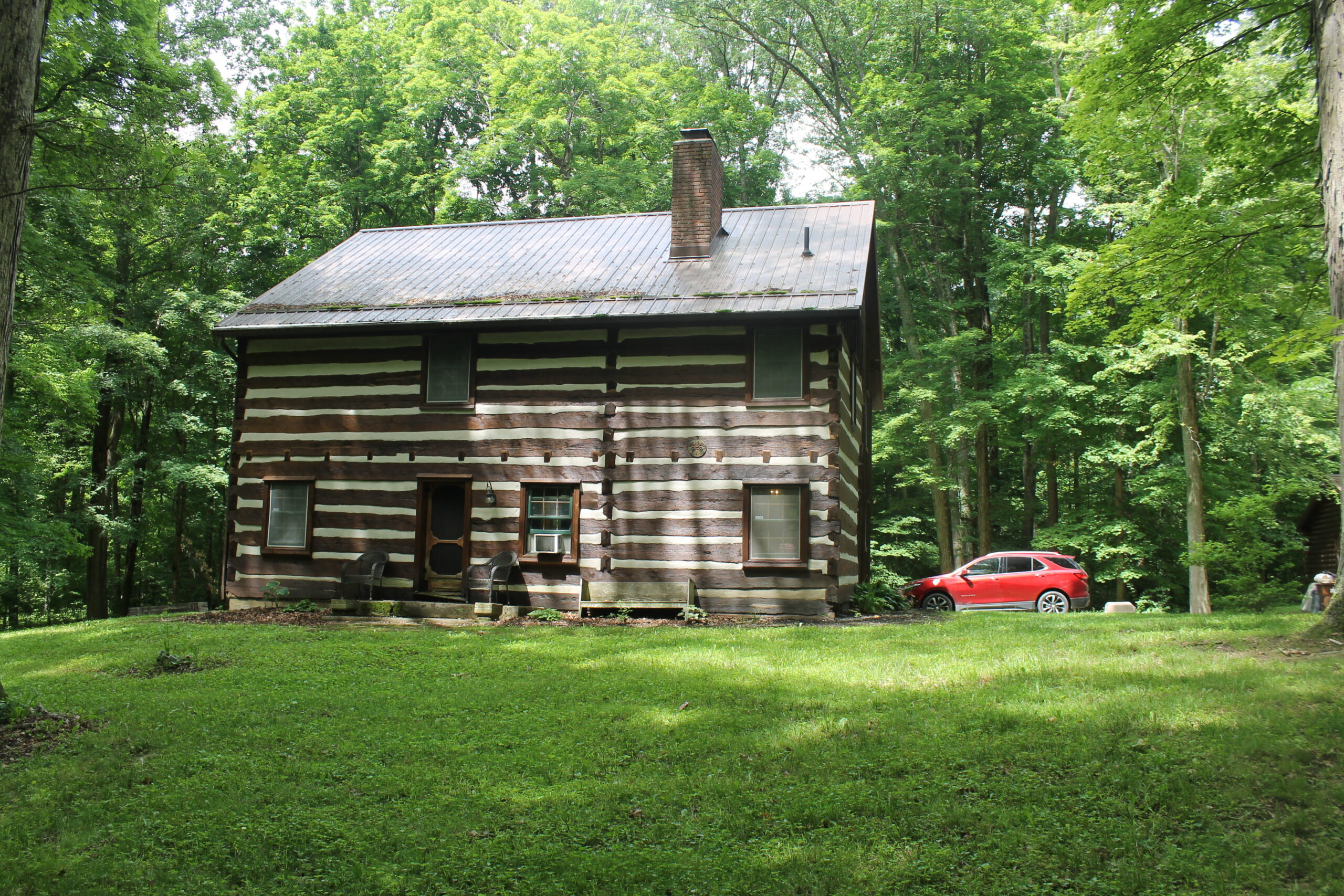
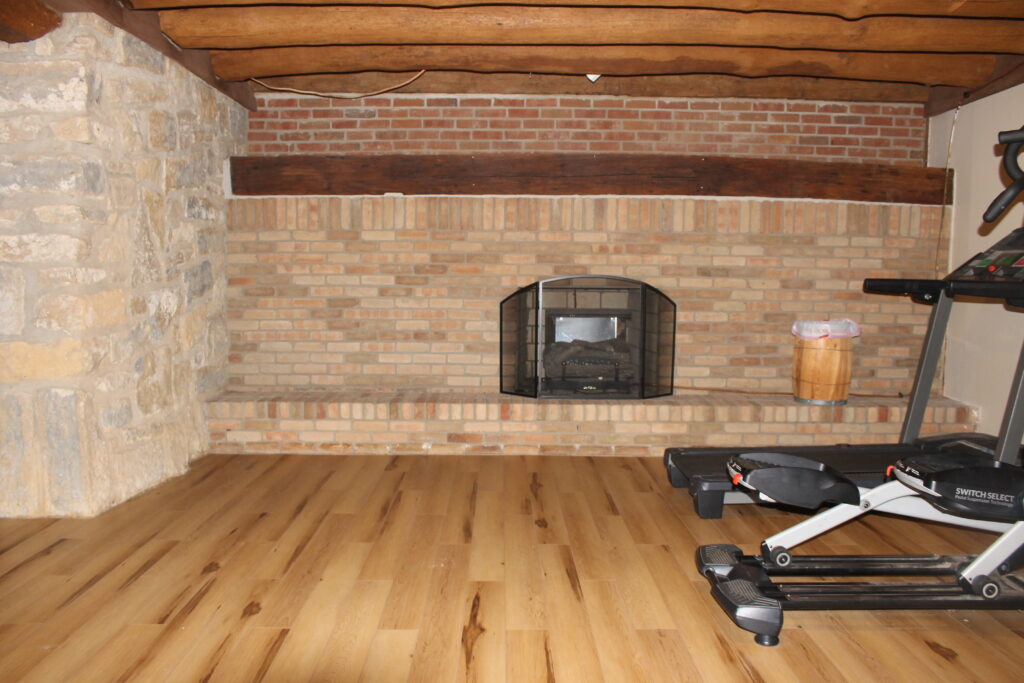
I love the warm rustic vibes of my log cabin, but that doesn’t mean it doesn’t pose its own unique set of challenges. Log walls (similar to rough-wood ceiling beams) add character but are not always easy to clean. Unlike smooth drywall or sealed wood paneling, rough logs have cracks, ridges, knots, and splintered areas that grab onto microfiber cloths and disposable dusters. Instead of gliding across the wall, the fabric can snag, leaving small pieces of lint behind.
The good news is that you don’t need to scrub every log by hand. The easiest way to clean rough interior log walls is to use a soft-bristled brush that loosens dust without catching on the wood.
Start With a Soft-Bristle Dusting Brush
For regular cleaning, skip the microfiber cloth and reach for a soft-bristle cobweb brush instead. The flexible bristles move over uneven wood more easily and reach into the small cracks between logs.
A rounded cobweb brush works especially well because you can move it over the face of each log and along the corners where the logs meet. However, it’s important to choose one with soft synthetic bristles rather than a stiff utility brush that could scratch the wood or push dirt deeper into the grain.
If your walls are tall, attach the brush to a telescoping extension pole. This makes it much easier to reach upper logs and vaulted areas without repeatedly moving a ladder around the room.
Then, Vacuum Loose Dust
Rough wood tends to hold onto dust, especially inside grooves, knots, and checks.
For heavier buildup, use a vacuum with a soft-brush attachment. If you don’t have a brush attachment, avoid dragging a hard plastic nozzle directly across the wood.
A flexible vacuum hose and long extension wand can also make the job easier in rooms with high ceilings. (I like to use my shop vac for jobs like this.)
If You Need to Wash, Proceed with Caution
Many log walls only need dry dusting. However, walls near kitchens, fireplaces, entryways, and frequently touched areas may develop fingerprints, grease, smoke residue, or grime.
Before using any cleaner, determine whether the logs are sealed, stained, painted, or unfinished. Follow the log manufacturer’s or finish manufacturer’s care instructions when available, and test any cleaning solution on an inconspicuous area first.
For many sealed interior log walls, a small amount of mild dish soap mixed with warm water is enough for light spot-cleaning. Dip a soft-bristle brush or sponge into the solution, then wring or shake out as much water as possible. The tool should be damp, not dripping.
Gently clean the dirty area, following the grain of the wood. Avoid soaking the logs, allowing water to run into cracks, or repeatedly scrubbing one spot.
Wipe away any soap residue with a separate sponge lightly dampened with clean water only. Dry the area promptly with a soft towel that does not shed lint.
For unfinished walls, try to stick with dry-cleaning methods like your cobweb brush and vacuum.
If you must clean a stain, test a barely damp brush in a hidden area and allow the wood to dry completely before deciding whether to continue. Avoid applying furniture polish, oil, wax, or an all-purpose cleaner unless the product is specifically approved for your wood type and finish.
How Often Should You Clean Interior Log Walls?
You don’t need to deep-clean your log walls frequently. Lightly dusting them every few months can prevent thick buildup and make future cleaning easier.
Homes with wood-burning stoves, fireplaces, pets, or open windows may need more frequent attention. You may also notice that upper corners and areas near ceiling beams collect cobwebs faster than the rest of the wall.
Spot-clean fingerprints and stains as you notice them rather than waiting for them to spread or settle deeper into the wood.