We are part of the Amazon affiliate program. Affiliate links may be used in this post.
When I stepped into homeownership, I made the cardinal sin of buying a house: I gave the owner 30 days to move out after closing.
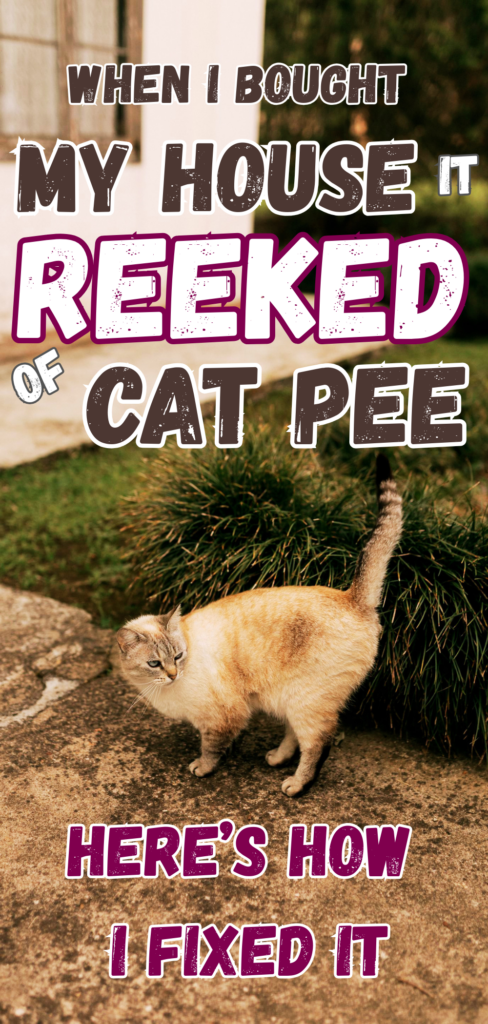
While I expected them to get out a little sooner, they waited until the 30th day, and sometime between closing and move-out, allowed a mama cat to birth a litter of kittens inside the house. On move-in day, I was in tears (and rage) as I discovered the entire house reeked of cat pee. And I do mean, really reeked. (I even found cat droppings in the basement.)
I was debating getting a lawyer and suing, but I was so in love with the house and location that I decided I’d give decontaminating a go.
At first, I hoped airing out the rooms and doing a basic cleaning would be enough. It wasn’t. Cat urine has a way of soaking into carpet, flooring, baseboards, walls, and other porous materials. Covering the odor with air freshener only made the house smell like fragrance mixed with cat pee.
What finally made the difference was methodically deep-cleaning the surfaces throughout the house and treating the areas where urine was most likely to have penetrated. In all honesty, the process took a few weeks, but the smell eventually disappeared.
Here’s the process I used, along with the most effective ways to remove stubborn pet urine odors from a home.
First, I Cleaned the Entire House (Not Just the Obvious Spots)
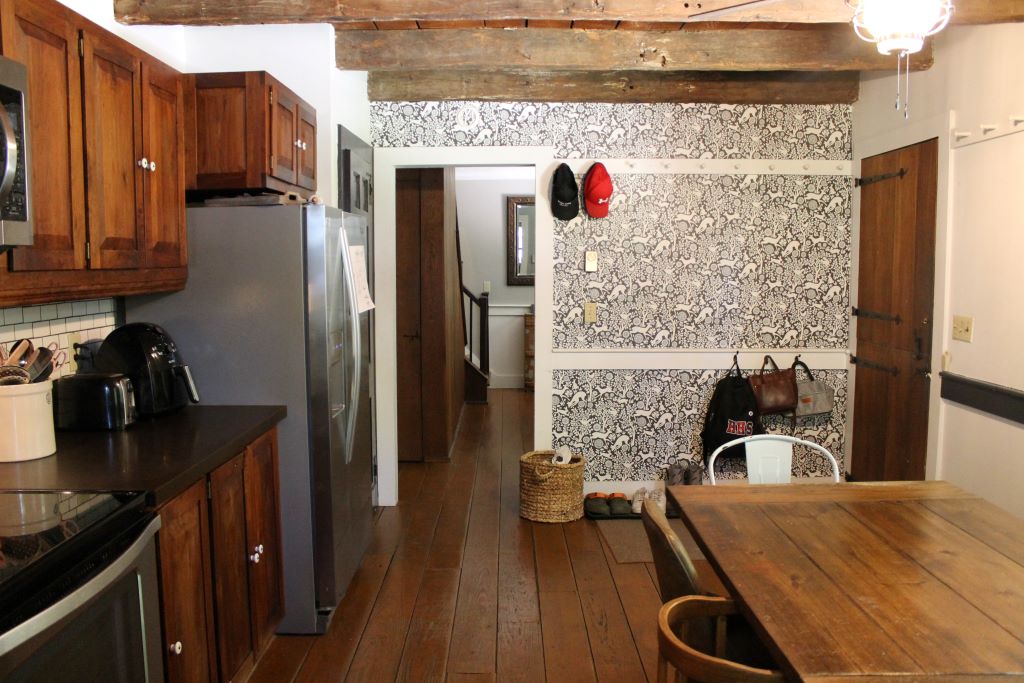
The biggest improvement in my house came from cleaning far more than the floors. Cat urine can splash onto baseboards, lower sections of walls, doors, cabinets, vents, and furniture. General pet odors can also settle into dusty or grimy surfaces throughout a home.
I worked room by room, cleaning:
- Hard flooring
- Baseboards and trim
- Lower sections of walls
- Doors and door frames
- Cabinets
- Windowsills
- Closet floors
- Floor vents and vent covers
- Window treatments left behind
I dusted and vacuumed first and then washed each surface with a multi-purpose cleaner. This didn’t replace targeted urine treatment, but it removed the layer of dirt and residue that was holding onto the smell.
Most Important* I Used an Enzymatic Cleaner on Suspected Urine Spots
Regular household cleaners can wash away visible dirt without completely removing the compounds responsible for pet urine odor. An enzymatic cleaner is designed specifically for organic messes such as urine, feces, and vomit.
These cleaners break down pet-waste residue rather than simply covering the smell. The enzymes feast on the bacteria from pet waste, eliminating it.
I used the Rocco & Roxie cleaner, and it saved my sanity. I had to go through a couple of bottles due to the size of the house and the need to be thorough, but eventually, it broke down most of the odors.
The exact application method depends on the product, so follow its label carefully. In general:
- Remove or blot up as much urine as possible.
- Test the cleaner on a hidden section of the surface.
- Apply enough product to reach as deeply as the urine did.
- Allow it to sit for the full amount of time listed on the label.
- Blot or extract excess moisture when instructed.
- Let the area dry completely before deciding whether the odor is gone.
This last step is important. Enzymatic cleaners often need time to work, and a treated area may continue to smell while it is damp.
Don’t immediately follow the treatment with another cleaner. Disinfectants, soaps, or homemade mixtures may interfere with the enzyme product. Use one method at a time and follow the manufacturer’s directions.
I Paid Special Attention to Baseboards and Lower Walls
When a room smells like urine but the floor doesn’t appear heavily stained, the problem may be along the perimeter. Cats sometimes spray vertical surfaces rather than urinating in the middle of a floor.
I cleaned the baseboards, corners, door frames, and lower portions of the walls with a surface-safe cleaner. I also checked behind doors, inside closets, and around places where a litter box may have previously been kept.
If urine has soaked into unfinished wood or drywall, surface cleaning may not be enough, so I hit those areas with an enzymatic cleaner. This was very important because those materials can absorb liquid and release the odor again, particularly when the room becomes warm or humid.
Carpet and Padding May Need More Than Surface Cleaning
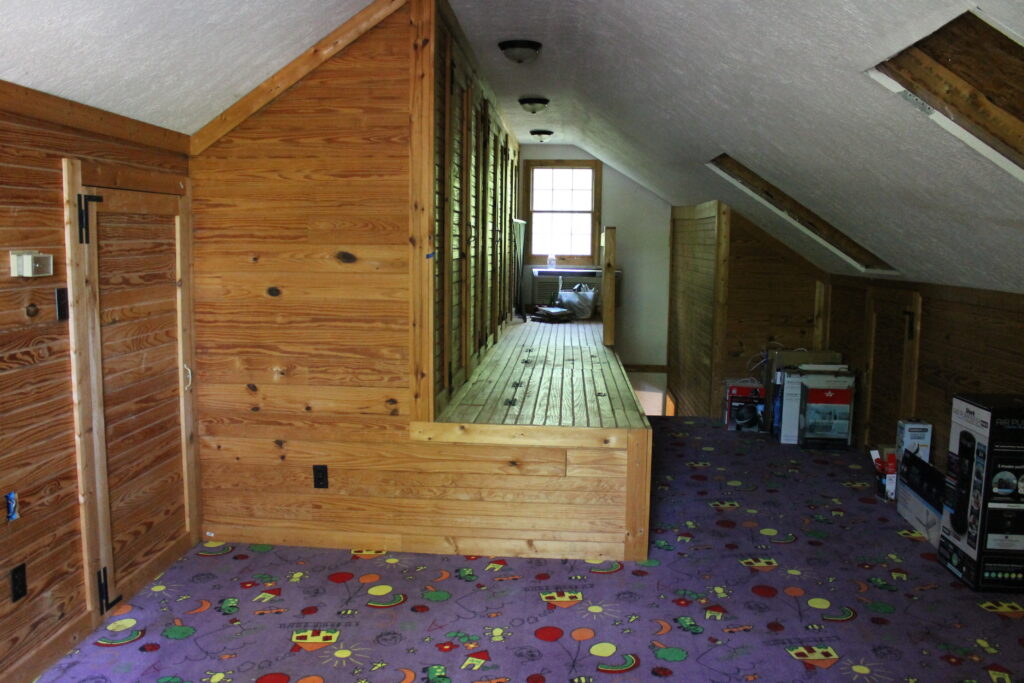
I was lucky in that most of my home was hardwood floors. Carpet can be a different story. It’s one of the hardest places to remove old cat urine because the liquid can travel through the carpet fibers and into the padding or subfloor.
I did have a carpeted basement and attic that the cats (or some previous animal) had frequented, which I used an enzymatic cleaner on.
I avoided using a steam cleaner on urine stains anywhere, especially the carpet. Heat can set odors into many materials, including synthetic carpet and upholstery fibers.
If carpet and padding are heavily contaminated, replacement may be the most reliable solution. Removing the carpet also gives you a chance to inspect and treat the subfloor underneath. Keeping ruined padding and repeatedly cleaning the surface can prolong the problem without eliminating its source.
I Washed All Odor-Holding Fabrics
Even after the original urine source is treated, nearby fabric can continue making a room smell stale. Curtains, washable rugs, upholstered furniture, pet bedding, and fabric lampshades can all absorb odors.
I washed anything that could safely go into the washing machine and removed anything that was too damaged or dirty to save. I also sprayed them with my enzyme cleaner. The house was fairly empty when I moved in, so I didn’t have to worry about upholstered furniture. However, if I was trying to get cat pee or a dog smell out of a couch, I would definitely saturate it with an enzymatic cleaner.
What I Didn’t Use
One of the most important parts of removing cat urine is avoiding products that can make the problem worse.
Ammonia-based cleaners
The ASPCA advises against cleaning cat accidents with an ammonia-based product. Because urine contains ammonia, its smell may encourage a cat to return to the same area.
Steam
The heat from steam cleaning can set urine stains and odors into some carpet and upholstery fibers. It’s better to use a method specifically recommended for pet urine.
Air freshener alone
Candles, room sprays, carpet powders, and plug-in fresheners may temporarily cover the smell, but they don’t remove urine from carpet, wood, drywall, or padding. In my experience, adding fragrance before removing the source only created a new unpleasant combination.
The Key Is Removing the Source, Not Covering It
A house that smells strongly of cat urine can feel overwhelming, especially when the odor is spread across several rooms. The solution is rarely one miracle spray and may take days to weeks to resolve depending on the size of the home and severity of the smell.
For me, the biggest improvement came from deep-cleaning the entire house, paying close attention to floors, walls, baseboards, and hidden corners. Enzymatic cleaners helped address urine residue, while removing contaminated materials prevented the smell from returning.
Start with the least invasive solution, but be prepared to pull up carpet, replace padding, or seal a cleaned subfloor when the urine has penetrated beneath the surface. Once the source is actually gone, you won’t need heavy fragrances to make the house smell clean.